Mental health worldwide- Statistics & Facts
Mental health and substance use conditions are increasingly recognized as major contributors to the global burden of disease and to an increased risk of mortality. Diagnostic frameworks continue to evolve to better support appropriate and ethical care, encompassing a broad range of conditions including mood disorders, psychoses, personality disorders, addictions, and neurodevelopmental disorders. Global mental health efforts place growing emphasis on awareness, reducing stigma, and protecting human rights. In the coming years, mental health and psychosocial support systems are expected to continue developing in response to ongoing challenges such as disruptions in continuity of care, persistent human rights concerns, rising social tensions, and the lasting mental health effects of the COVID-19 pandemic.
Burden of disease and loss of life
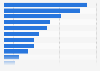
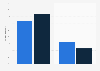
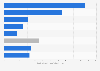
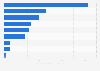
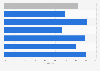
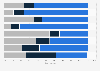
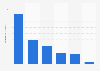
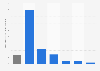
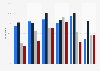
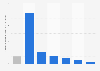
Mental health conditions and substance use disorders account for more years lived with disability (YLD) than all other major non-communicable diseases combined, exceeding the total burden of diabetes, kidney diseases, cardiovascular diseases, chronic respiratory diseases, and cancer. Depression and anxiety alone represent a substantial share of this burden. When considering disability-adjusted life years (DALYs), these two conditions account for around 2.5 more DALYs than the following three disorders combined. The overall burden is further intensified by associated physical health conditions, mainly digestive and cardiovascular diseases.
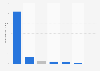
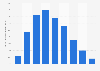
Beyond the impact on disease burden, mental health conditions and substance use disorders are also associated with an increased risk of mortality. Suicide represents a significant public health concern linked to mental and psychosocial health and can affect people across all age groups. Other mental health related causes of death include eating disorders and substance use.
The importance of governmental policies
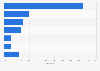
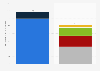
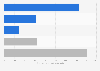
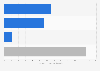
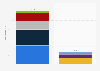
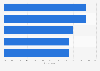
Given the strong impact that mental health and substance use conditions play on people’s overall wellbeing, adequate government policies become increasingly important. Laws specifically addressing mental health, data collection programs, resource allocation strategies, all targeted and associated policies matter. It is estimated that the mental health disease burden averted through scaling proven interventions worldwide will surpass the 150 million disability-adjusted life years (DALYs) by 2050. Just considering therapeutic measures already accounts for a third of the total. Another third would be accounted for by prevention and risk reduction measures. Psychotherapy and the use of psychiatric medications would together make up over half the overall value of DALYs averted.
Mental health and substance use disorders are a major public health priority. Measures aimed at improving these conditions have effects that extend beyond the mental health sphere, also benefiting physical health and overall wellbeing. The most effective government policies are those that address multiple dimensions and reflect the complexity and interconnected nature of the sector.